FACTIONS
Major factions in Status Entropos lore:
background, influence, ambitions, conflicts.
background, influence, ambitions, conflicts.
U.S. Army
PMC ECHELON
KZR militia
Russian army
PMC ECHELON
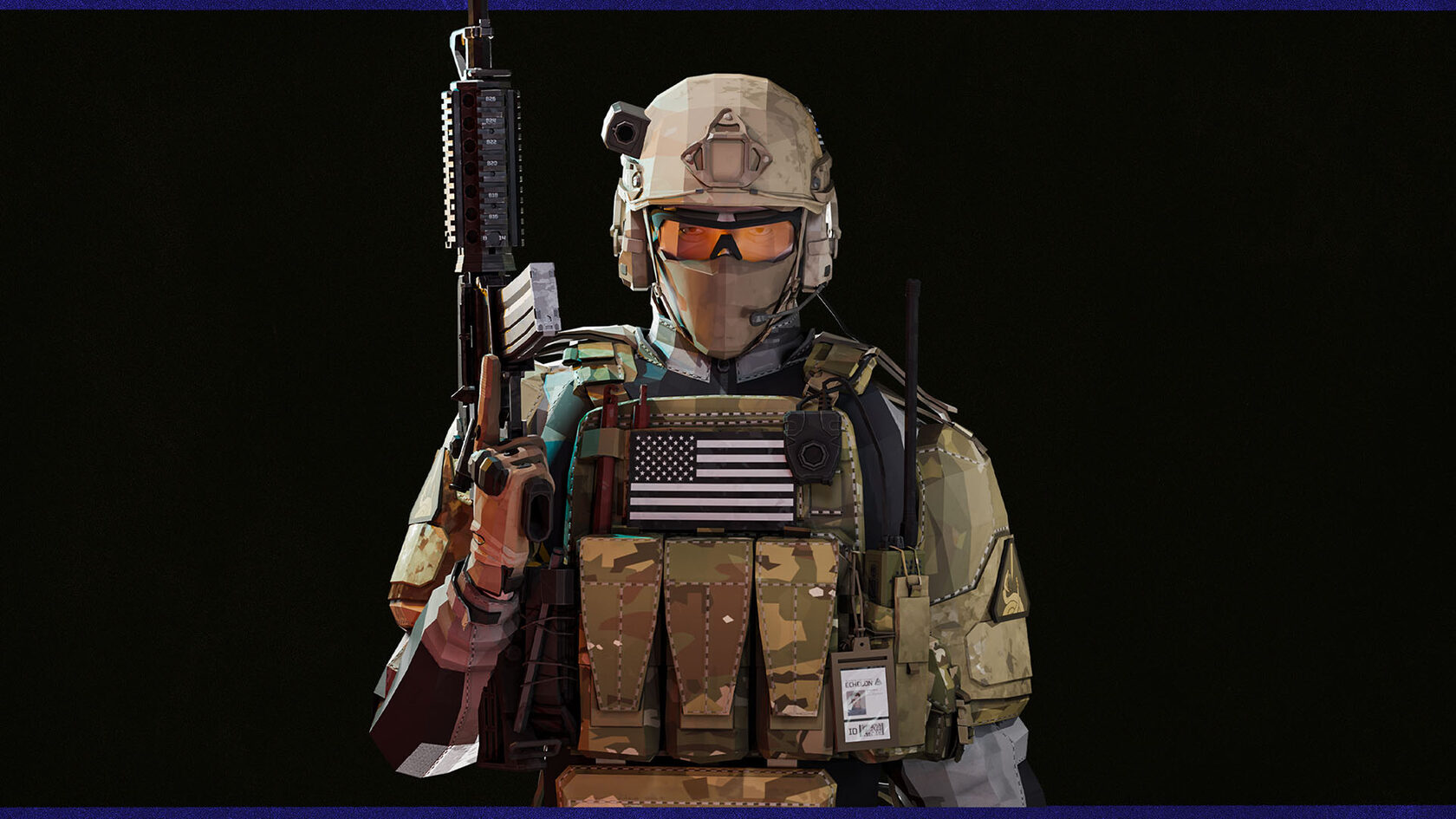
Private military company Echelon (ECHELON) is a flagship private military firm operating in the interests of the government of the United States of America.
PMC ECHELON
Leader:
Headquarters:
Approximate strength:
Establishment date:
Action in the interests of:
Headquarters:
Approximate strength:
Establishment date:
Action in the interests of:
Clint McCoy
■ Austin, Texas, USA
■ Miami, Florida, USA
■ ~50 (2006)
■ ~1 000 (2009)
■ ~4 000 (2021)
■ ~10 000 (2027)
■ 2006 (Patriot Defense Services)
■ 2021 (PMC ECHELON)
U.S. government (since 2008)
■ Austin, Texas, USA
■ Miami, Florida, USA
■ ~50 (2006)
■ ~1 000 (2009)
■ ~4 000 (2021)
■ ~10 000 (2027)
■ 2006 (Patriot Defense Services)
■ 2021 (PMC ECHELON)
U.S. government (since 2008)
History
Echelon’s origins trace back to a security firm founded by Clint McCoy, a sharp American entrepreneur who built his career in logistics and military gear manufacturing.
During the Unrest of 2006, McCoy saw the need for immediate and effective protection of his private business and swiftly organized an elite security detail. This drew the attention of his colleagues and friends, who asked him to take responsibility for safeguarding their property as well. This led to the creation of the security company Patriot Defense Services.
Over time, PDS began working with the U.S. government, earning the trust of federal authorities through new operational principles. PDS provided consulting to the military and directly took part in demanding operations, proving their driving capability.
In 2021, amid rising terrorist threats, PDS received a major contract to secure the Bering Strait dam and merged with the existing security firm Titan Security. At that point, PDS was renamed Echelon, becoming an even stronger force in the security and private military sector.
During the Unrest of 2006, McCoy saw the need for immediate and effective protection of his private business and swiftly organized an elite security detail. This drew the attention of his colleagues and friends, who asked him to take responsibility for safeguarding their property as well. This led to the creation of the security company Patriot Defense Services.
Over time, PDS began working with the U.S. government, earning the trust of federal authorities through new operational principles. PDS provided consulting to the military and directly took part in demanding operations, proving their driving capability.
In 2021, amid rising terrorist threats, PDS received a major contract to secure the Bering Strait dam and merged with the existing security firm Titan Security. At that point, PDS was renamed Echelon, becoming an even stronger force in the security and private military sector.
KZR Militia
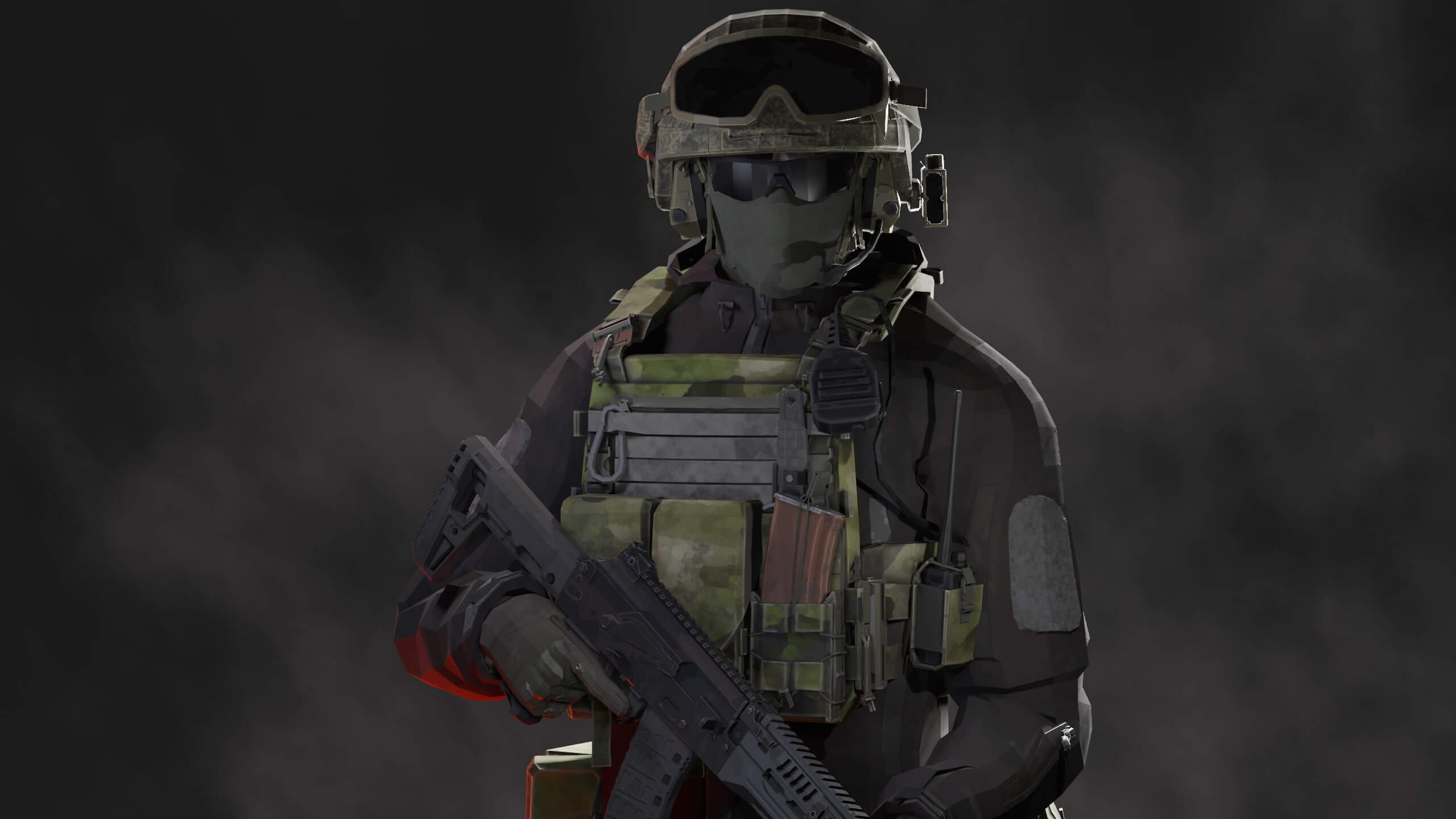
Corps of Homeland Defenders (Russian: Корпус Защитников Родины [КЗР], romanized: Korpus Zaschitnikov Rodiny [KZR]) is a military-patriotic organization formed by Igor Sablin and veterans of the Second Civil War (1998) after the dissolution of the Soviet Union.
The organization has two tiers: civilian and paramilitary.
Membership in the KZR does not require military service. The structure focuses on developing physical and moral resilience in society, running sports and educational initiatives, teaching basic defense skills and discipline, and providing military training.
Volunteers who choose a military career undergo advanced internal training programs and become part of the militia.
The most capable members, after sufficient service and achievements, can enter the “Brodeks Forces,” an elite element of the KZR granted special authorities comparable to those of special forces.
The KZR holds significant respect and public trust. KZR members are regarded as custodians of order, discipline, and national dignity, a reminder that loyalty to the country is expressed through action.
The organization has two tiers: civilian and paramilitary.
Membership in the KZR does not require military service. The structure focuses on developing physical and moral resilience in society, running sports and educational initiatives, teaching basic defense skills and discipline, and providing military training.
Volunteers who choose a military career undergo advanced internal training programs and become part of the militia.
The most capable members, after sufficient service and achievements, can enter the “Brodeks Forces,” an elite element of the KZR granted special authorities comparable to those of special forces.
The KZR holds significant respect and public trust. KZR members are regarded as custodians of order, discipline, and national dignity, a reminder that loyalty to the country is expressed through action.
Corps of Homeland Defenders
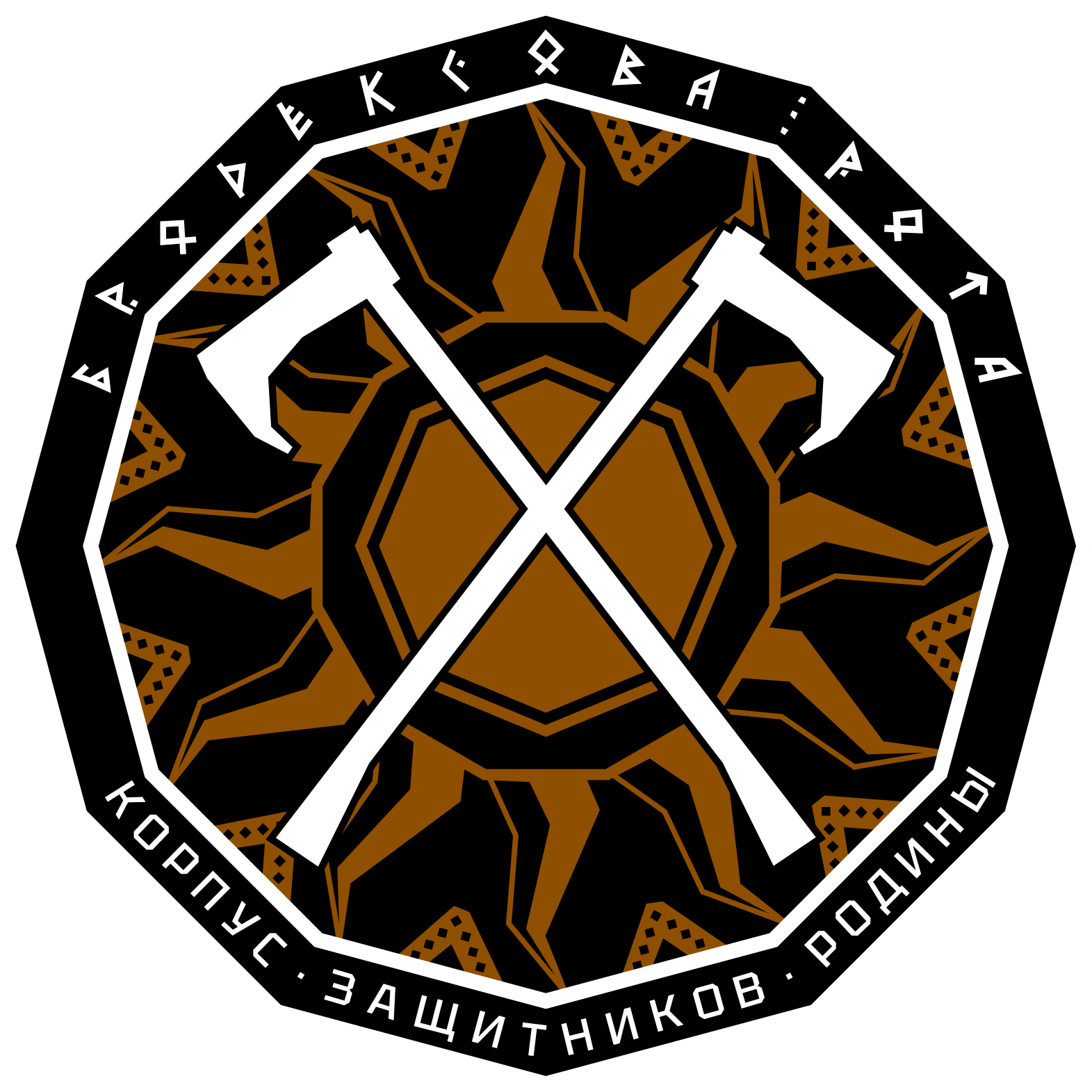
Leader:
Headquarters:
Approximate strength:
Establishment date:
Action in the interests of:
Headquarters:
Approximate strength:
Establishment date:
Action in the interests of:
Alexey Anterovich Marin
Novaya Ladoga, Russia
■ ~30 000 (1998)
■ ~8 000 (1999)
■ ~40 000 (2012)
■ ~200 000 (2027)
■ 1998 (KZR)
■ 2000 (Brodeks Forces)
■ Sablin’s Group (August 17, 1998 – November 15, 1998)
■ Government of the Russian Federation (November 15, 1998 – April 8, 2025)
■ Government of Russia (since April 8, 2025)
Novaya Ladoga, Russia
■ ~30 000 (1998)
■ ~8 000 (1999)
■ ~40 000 (2012)
■ ~200 000 (2027)
■ 1998 (KZR)
■ 2000 (Brodeks Forces)
■ Sablin’s Group (August 17, 1998 – November 15, 1998)
■ Government of the Russian Federation (November 15, 1998 – April 8, 2025)
■ Government of Russia (since April 8, 2025)
History
The breakup of the USSR left Russia and the other republics facing the threat of turmoil: many groups remained dissatisfied, and thousands of people ended up with weapons and their small authority. Igor Sablin, the former revolutionary leader who now headed the country, prevented Russia from sliding into lawlessness. He chose a decisive course of action: to centralize and unite the ordinary citizens who had stood up to defend their homeland, giving their efforts cohesion and clear purpose.
Igor Sablin and Alexey Marin brought these people together into the “Corps of Homeland Defenders,” a civic-patriotic movement that included former revolutionaries and volunteers committed to the nation’s welfare in every sphere of life, from maintaining the streets clean and tidy to raising new generations of patriots.
Those members of the KZR who demonstrated exceptional discipline and experience were selected into an elite formation — the “Brodeks Forces.” They, under Marin’s leadership, handled missions beyond the capabilities of the police or the army.
The Brodeks Forces became a tool for carrying out complex covert operations undertaken in the interests of Russia, including classified missions abroad. This formation represented skill, discipline, and unwavering loyalty to the principles of the new Russia.
Igor Sablin and Alexey Marin brought these people together into the “Corps of Homeland Defenders,” a civic-patriotic movement that included former revolutionaries and volunteers committed to the nation’s welfare in every sphere of life, from maintaining the streets clean and tidy to raising new generations of patriots.
Those members of the KZR who demonstrated exceptional discipline and experience were selected into an elite formation — the “Brodeks Forces.” They, under Marin’s leadership, handled missions beyond the capabilities of the police or the army.
The Brodeks Forces became a tool for carrying out complex covert operations undertaken in the interests of Russia, including classified missions abroad. This formation represented skill, discipline, and unwavering loyalty to the principles of the new Russia.